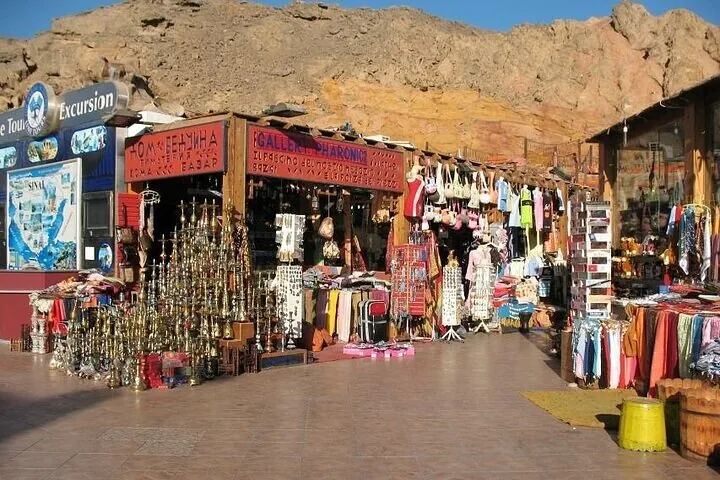

Deep in Egypt’s Western Desert, roughly 800 kilometers southwest of Cairo, Dakhla Oasis is one of the country’s most rewarding off-the-beaten-path destinations — a cluster of palm-filled settlements, mudbrick old towns, natural hot springs, and dramatic desert scenery that sees only a fraction of the visitors who flock to the Nile Valley.

Al-Qasr: The Historic Heart of the Oasis
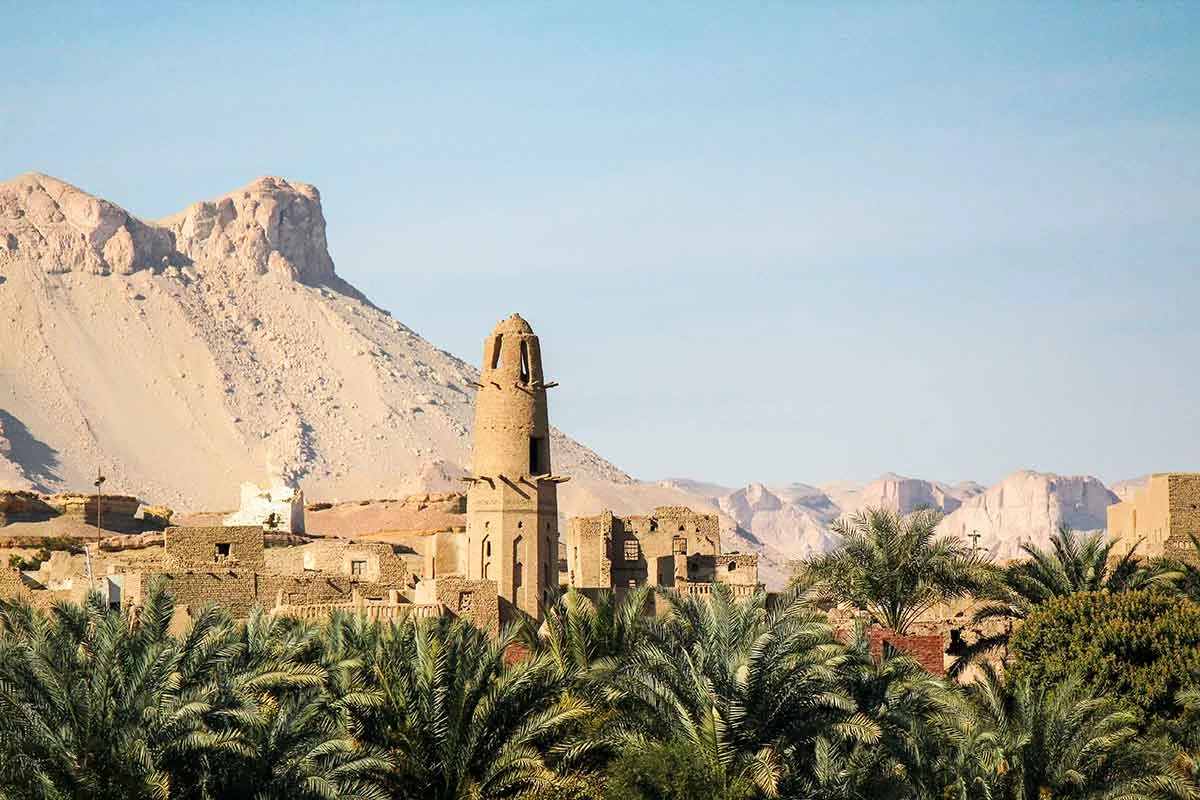
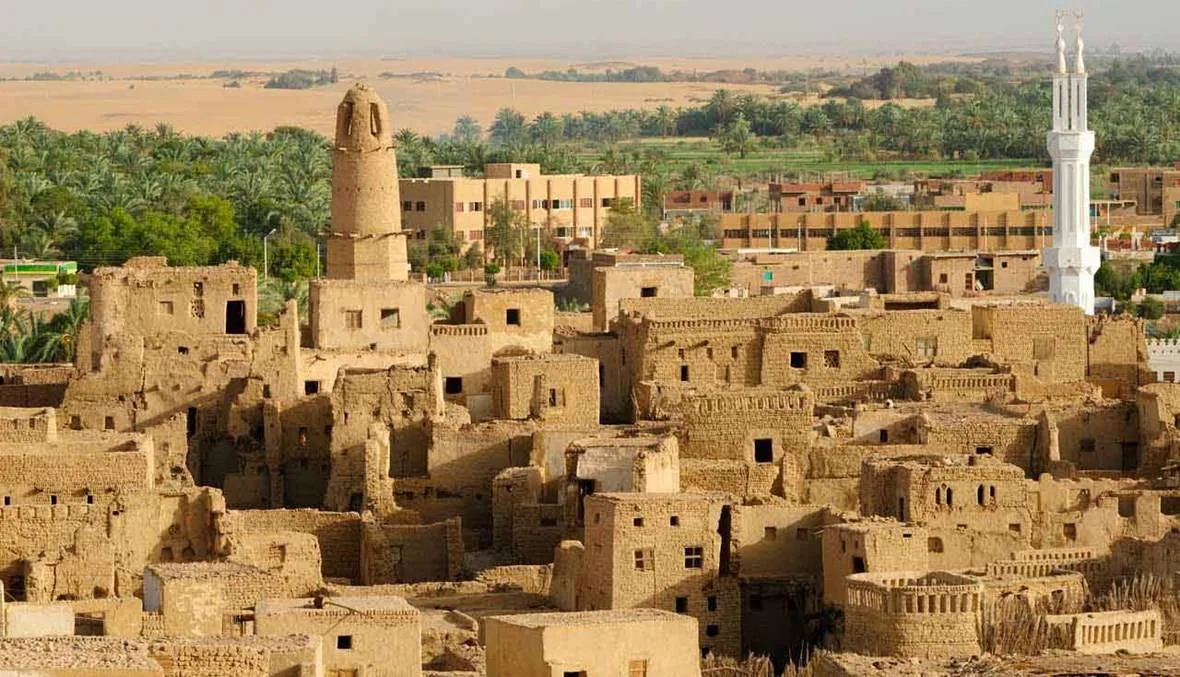
The medieval mudbrick town of Al-Qasr is Dakhla’s standout sight: a maze of narrow, covered alleyways, wooden lintels carved with inscriptions, and an Ayyubid-era mosque with one of Egypt’s oldest minarets still standing. Much of the old town is well preserved and still partly inhabited, making a walk through it feel genuinely lived-in rather than museum-like.
Soak in Natural Hot Springs
Dakhla sits on a vast underground aquifer, and several natural hot and warm springs dot the oasis — some developed with basic pools, others wild and undeveloped. Bir el-Gebel and Mut Talata are among the more commonly visited, offering a genuinely unusual experience: soaking in warm mineral water surrounded by open desert.
Explore the Ancient Sites
- Deir el-Hagar: a sandstone Roman-era temple dedicated to the Theban triad of gods, restored and set dramatically against desert dunes.
- Qarat al-Muzawwaqa: rock-cut tombs with vividly painted ceilings from the Greco-Roman period.
- Balat: one of Egypt’s best-preserved Old Kingdom settlements, with mudbrick governors’ tombs dating back over 4,000 years.
Venture Into the Desert
Dakhla is a natural gateway to Egypt’s Western Desert, including access points toward the White Desert’s chalk formations further north. 4×4 desert trips, sandboarding on nearby dunes, and overnight camping under some of Egypt’s darkest, clearest night skies are all easily arranged locally.
Local Life in Mut
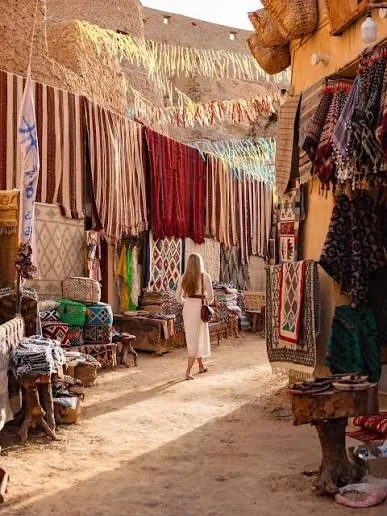
Mut, Dakhla’s main town, is a relaxed base with a genuine small-town feel, a local market worth a browse, and some of the oasis’s best accommodation options, several built in traditional mudbrick style with modern comfort.
Practical Tips
- Getting there: most visitors arrive by road from Cairo or combine Dakhla with the other Western Desert oases (Farafra, Bahariya, Kharga) on a multi-day loop.
- Best time to visit: October through April; summer daytime temperatures in the Western Desert are extreme.
- What to bring: modest clothing for visiting villages and mosques, a swimsuit for the hot springs, and a layer for cool desert nights.
- How long to stay: two to three days is enough to see the highlights without rushing.
The Bottom Line
Dakhla rewards travelers who want to see a side of Egypt far removed from the Nile Valley’s crowds — ancient mudbrick towns, warm desert springs, and some of the country’s quietest, starriest nights.
If you would like to experience everything described in this article in real life, we offer carefully designed private and small-group Egypt tours that cover this place. Our Egyptologist-led itineraries can be tailored around exactly what interests you most.