

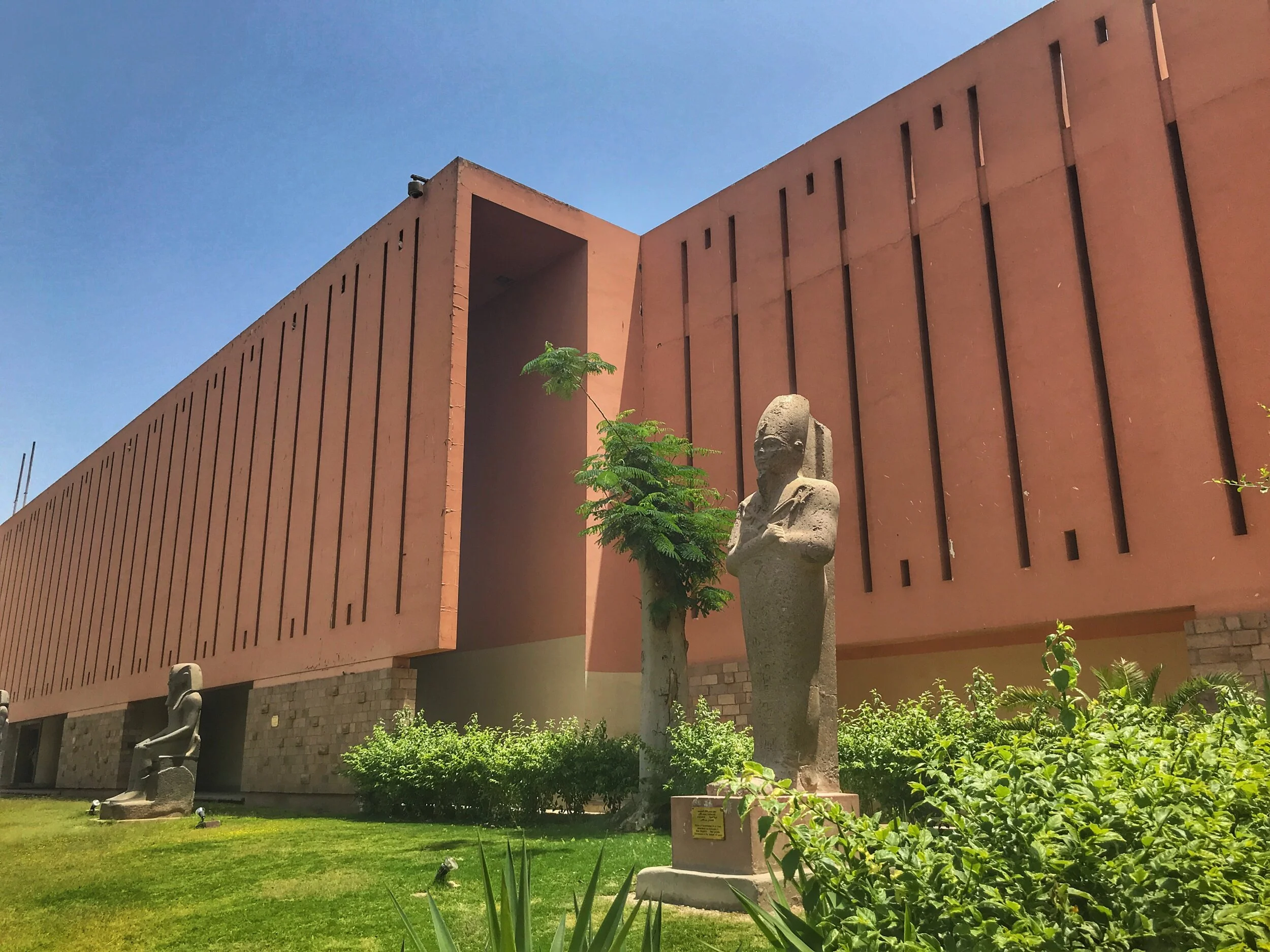
Most visitors budget an hour for Luxor Museum and end up staying two. Unlike Cairo’s sprawling Egyptian Museum, Luxor Museum is deliberately small — and that restraint is exactly what makes it work. Every piece on display was chosen for quality, not quantity, and the result is one of the best-curated ancient Egyptian collections anywhere in the country.
A Collection Built on Quality, Not Volume
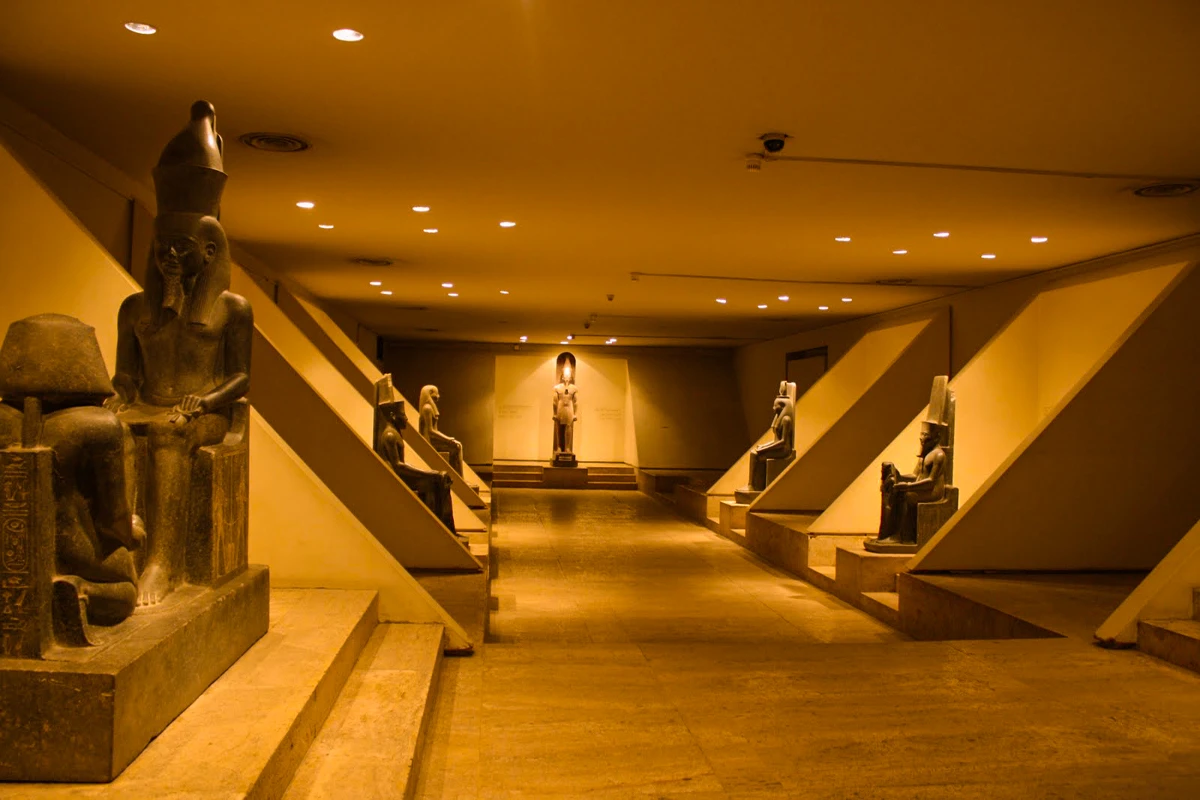
Opened in 1975 and expanded in the 2000s, Luxor Museum holds only a few hundred objects — a fraction of what’s stored in Cairo’s warehouses — but almost everything on the floor is a genuine highlight. Spacious, well-lit galleries let statues and reliefs be viewed from multiple angles, with English labeling that’s unusually clear for an Egyptian museum of its generation.
What to Look For
The Luxor Temple Cachette
In 1989, workers restoring Luxor Temple uncovered a pit containing 26 pristine statues, buried by ancient priests to make room for new dedications. Several of the finest — carved in hard stone with their original polish still intact — are now centerpieces of the museum.
Tutankhamun Objects
While most of Tutankhamun’s treasure is in Cairo and the Grand Egyptian Museum, Luxor Museum holds a selection of items from the tomb, including model boats and other funerary equipment, shown with far more breathing room than they’d get in a crowded capital gallery.
The Royal Mummies
A dedicated, dimly lit hall displays two New Kingdom royal mummies, widely believed to be Ahmose I and Ramses I, presented with care and minimal crowding — a very different experience from the mummy halls in Cairo.
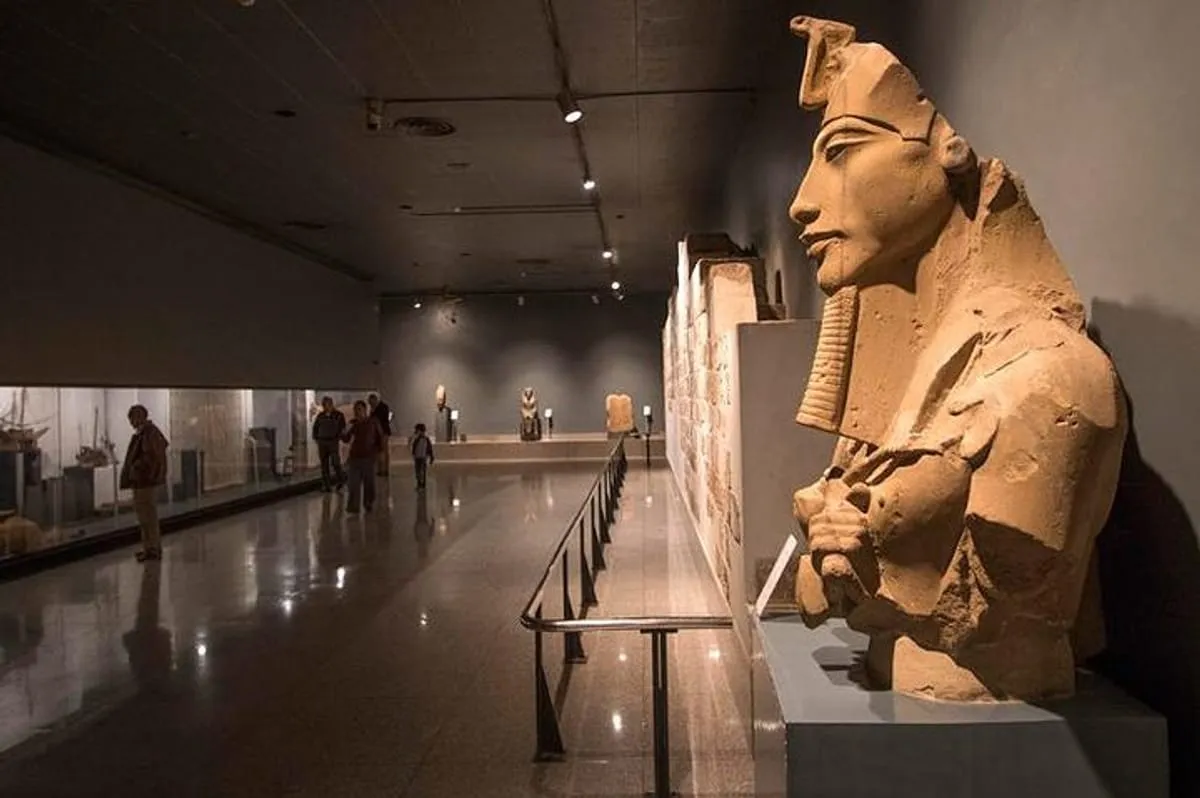
The Amenhotep III and Akhenaten Wall
A reconstructed sandstone wall from a dismantled Karnak temple shows scenes from Akhenaten’s reign, offering a rare, close-up look at the distinctive art style of the “heretic king” era.
Why It Pairs So Well With Luxor’s Temples and Tombs
Spending a morning at Karnak or the Valley of the Kings and an afternoon at Luxor Museum turns abstract history into something concrete: you can see, up close and well-lit, the kind of statuary and reliefs that once filled the temples you just walked through — many of them in far better condition than anything left in situ.
Practical Tips for Visiting
- The museum sits directly on the Nile Corniche, an easy walk or short taxi ride from most central Luxor hotels.
- Photography is generally allowed without flash, though this is occasionally adjusted — check current signage at the entrance.
- Air-conditioned and far less crowded than open-air sites, it’s a comfortable midday stop to escape the heat.
- Budget 60–90 minutes minimum; history lovers often stay longer.
The Bottom Line
Luxor Museum won’t overwhelm you the way Cairo’s museums can — and that’s precisely its appeal. It’s the kind of place where you can actually stand in front of a 3,400-year-old royal statue, alone, and take your time.
If you would like to experience everything described in this article in real life, we offer carefully designed private and small-group Egypt tours that cover this place. Our Egyptologist-led itineraries can be tailored around exactly what interests you most.


